Accounting Software vs Manual Accounting: Which is Better for Businesses in Nepal? (2026 Guide)
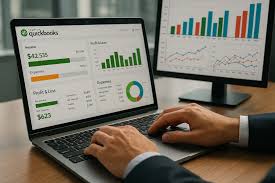
Managing finances is one of the most critical responsibilities for any business. Whether you run a restaurant, hotel, retail store, wholesale business, or growing enterprise, accurate accounting is essential for making informed decisions and maintaining financial health.
For years, many businesses in Nepal have relied on manual accounting methods such as notebooks, ledgers, and spreadsheets. While these methods may work for small operations, they often become inefficient as businesses grow.
Today, accounting software is transforming how businesses manage their finances by automating tasks, reducing errors, and providing real-time financial insights.
In this guide, we'll compare accounting software and manual accounting to help you determine which option is best for your business.
What is Manual Accounting?
Manual accounting refers to recording financial transactions by hand or using basic tools like spreadsheets.
Businesses typically use manual accounting to:
-
Record sales and expenses
-
Track cash flow
-
Manage invoices
-
Prepare financial statements
-
Calculate profits and losses
While manual accounting has been the traditional approach for decades, it often requires significant time and effort.
What is Accounting Software?
Accounting software is a digital solution designed to automate financial management processes.
It helps businesses:
-
Record transactions automatically
-
Generate invoices
-
Track income and expenses
-
Manage accounts payable and receivable
-
Create financial reports
-
Monitor cash flow in real time
Modern cloud-based accounting software allows business owners to access financial information anytime and from anywhere.
Accounting Software vs Manual Accounting: Key Differences
1. Accuracy
Manual Accounting
Manual data entry increases the likelihood of:
-
Calculation errors
-
Duplicate entries
-
Missing transactions
-
Incorrect financial reports
Even small mistakes can lead to inaccurate financial records.
Accounting Software
Accounting software automatically performs calculations and validates entries, significantly reducing human error.
Winner: Accounting Software
2. Time Efficiency
Manual Accounting
Recording transactions manually can be extremely time-consuming.
Business owners often spend hours:
-
Updating ledgers
-
Reconciling accounts
-
Preparing reports
-
Tracking payments
Accounting Software
Automation dramatically reduces administrative workload.
Tasks such as:
-
Invoice generation
-
Expense tracking
-
Bank reconciliation
-
Report creation
can be completed within minutes.
Winner: Accounting Software
3. Financial Reporting
Manual Accounting
Generating reports manually requires collecting and organizing data from multiple sources.
Reports may take days to prepare.
Accounting Software
Reports can be generated instantly, including:
-
Profit & Loss Statements
-
Balance Sheets
-
Cash Flow Reports
-
VAT Reports
-
Sales Reports
Real-time reporting supports faster decision-making.
Winner: Accounting Software
4. Data Security
Manual Accounting
Paper records and spreadsheets are vulnerable to:
-
Loss
-
Damage
-
Theft
-
Accidental deletion
Recovering lost information can be difficult.
Accounting Software
Cloud-based accounting systems often provide:
-
Secure backups
-
User access controls
-
Data encryption
-
Disaster recovery options
Winner: Accounting Software
5. Scalability
Manual Accounting
As a business grows, managing increasing transaction volumes manually becomes challenging.
Tracking multiple branches, departments, or locations can quickly become overwhelming.
Accounting Software
Accounting software scales with business growth and can handle:
-
Multiple users
-
Multiple branches
-
Higher transaction volumes
-
Complex financial operations
Winner: Accounting Software
6. Cost
Manual Accounting
Initially, manual accounting appears less expensive because it requires minimal software investment.
However, hidden costs often include:
-
Staff time
-
Human errors
-
Delayed reporting
-
Productivity losses
Accounting Software
Although software requires an investment, it often reduces overall operational costs through efficiency and automation.
Winner: Long-Term – Accounting Software
Comparison Table
| Feature | Manual Accounting | Accounting Software |
|---|---|---|
| Accuracy | Prone to errors | Highly accurate |
| Speed | Time-consuming | Fast and automated |
| Reporting | Manual preparation | Instant reports |
| Security | Risk of loss or damage | Cloud backups and protection |
| Scalability | Difficult for growing businesses | Easily scalable |
| Accessibility | Limited | Anytime, anywhere access |
| Cost Efficiency | Higher long-term costs | Better long-term value |
Challenges of Manual Accounting
Many businesses continue using manual methods because they are familiar and inexpensive initially.
However, common challenges include:
Human Errors
Small mistakes can affect tax calculations, profit reporting, and financial planning.
Lack of Real-Time Visibility
Business owners often cannot access up-to-date financial information instantly.
Delayed Decision Making
Without timely reports, business decisions may be based on outdated information.
Increased Administrative Work
Employees spend valuable time on repetitive accounting tasks instead of focusing on business growth.
Difficult Compliance Management
Managing VAT records and financial documentation manually can become complex and time-consuming.
Benefits of Accounting Software
Real-Time Financial Insights
Business owners can monitor financial performance instantly.
Automated Invoicing
Generate and send professional invoices within minutes.
Expense Tracking
Monitor expenses and identify cost-saving opportunities.
Better Cash Flow Management
Track incoming and outgoing payments in real time.
Easy Tax and VAT Management
Maintain accurate financial records for reporting and compliance purposes.
Multi-User Access
Allow accountants, managers, and business owners to collaborate securely.
Which Businesses Should Use Accounting Software?
Accounting software is beneficial for almost every type of business, including:
Restaurants
Track daily sales, expenses, inventory costs, and profitability.
Hotels
Manage room revenue, expenses, vendor payments, and financial reporting.
Retail Stores
Monitor sales, inventory purchases, and customer transactions.
Wholesale Businesses
Track bulk transactions, supplier payments, and accounts receivable.
SMEs and Growing Enterprises
Gain better financial visibility and support business expansion.
When is Manual Accounting Still Suitable?
Manual accounting may still work for:
-
Freelancers
-
Very small businesses
-
Startups with minimal transactions
-
Sole proprietors in the early stages
However, as transaction volumes increase, transitioning to accounting software becomes increasingly important.
How to Choose the Right Accounting Software
When evaluating accounting software, consider features such as:
-
Cloud-based access
-
VAT-ready reporting
-
Expense tracking
-
Financial dashboards
-
Multi-user support
-
Invoice management
-
Bank reconciliation
-
Security and backups
-
Integration with billing and POS systems
The ideal solution should simplify financial management while supporting future business growth.
The Future of Accounting in Nepal
Nepal is rapidly embracing digital business solutions. With the government's focus on digital transactions and electronic billing initiatives, businesses are increasingly adopting accounting software to improve efficiency and maintain accurate financial records.
Cloud-based accounting systems are becoming the preferred choice because they offer flexibility, automation, and real-time access to financial data.
Businesses that embrace digital accounting today will be better positioned to compete and grow in the future.
Conclusion
While manual accounting may be suitable for very small businesses, it often becomes inefficient as operations grow. Accounting software offers greater accuracy, faster reporting, improved security, and better financial visibility.
For restaurants, hotels, retail stores, wholesalers, and SMEs in Nepal, investing in accounting software is no longer just a convenience—it is a strategic business decision.
By automating financial processes and providing real-time insights, accounting software helps businesses save time, reduce errors, and make smarter decisions for long-term success.