
Best Billing Software for Retail Shops in Nepal (2026 Guide)
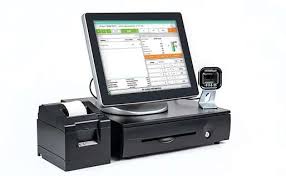
Managing a retail business involves much more than simply selling products. Retail shop owners need to track sales, manage inventory, monitor profits, handle customer transactions, and maintain accurate financial records. As businesses grow, relying on manual billing methods becomes increasingly difficult and prone to errors.
This is why more retail businesses in Nepal are adopting billing software to streamline operations and improve efficiency.
Whether you run a grocery store, clothing shop, electronics outlet, pharmacy, hardware store, or supermarket, the right billing software can help you save time, reduce mistakes, and grow your business.
In this guide, we'll explore the benefits of retail billing software, key features to look for, and how to choose the best solution for your business.
What is Retail Billing Software?
Retail billing software is a digital solution that helps businesses manage sales transactions, inventory, customer information, and financial records from a centralized platform.
Instead of creating bills manually, the software automatically generates invoices, updates inventory, records payments, and creates business reports.
Modern billing systems often include Point of Sale (POS) functionality, making the entire sales process faster and more accurate.
Why Retail Shops in Nepal Need Billing Software
Many small and medium-sized retailers still use notebooks, calculators, or spreadsheets for billing and stock management. While these methods may work initially, they often become inefficient as sales volume increases.
Billing software helps retailers:
-
Generate bills quickly
-
Reduce calculation errors
-
Track inventory automatically
-
Improve customer service
-
Monitor daily sales
-
Manage multiple products efficiently
-
Simplify accounting processes
-
Support business growth
As Nepal moves toward a more digital economy, adopting billing software has become a competitive advantage for modern retailers.
Common Challenges Faced by Retail Businesses
Before implementing billing software, many retailers experience challenges such as:
Manual Billing Errors
Incorrect calculations can lead to financial losses and customer dissatisfaction.
Inventory Mismanagement
Without proper stock tracking, businesses may face stock shortages or overstocking.
Time-Consuming Operations
Creating bills manually increases customer waiting times.
Lack of Business Insights
Without detailed reports, owners struggle to understand business performance.
Difficulty Managing Multiple Product Categories
Retail stores often handle hundreds or thousands of products, making manual tracking difficult.
Benefits of Billing Software for Retail Shops
Faster Billing Process
Billing software allows staff to generate invoices within seconds, improving checkout speed and customer satisfaction.
Automatic Inventory Updates
Every sale automatically updates stock levels, helping businesses maintain accurate inventory records.
Better Business Control
Retail owners gain visibility into sales, expenses, profits, and inventory through real-time dashboards.
Reduced Human Errors
Automated calculations minimize billing mistakes and improve accuracy.
Improved Customer Experience
Faster transactions result in shorter queues and a smoother shopping experience.
Better Decision-Making
Detailed reports help identify best-selling products, peak sales periods, and purchasing trends.
Essential Features of Retail Billing Software
When selecting billing software, it's important to choose a solution that addresses both current and future business needs.
Point of Sale (POS) System
A POS system simplifies sales transactions and records every purchase accurately.
Inventory Management
Track stock levels, monitor inventory movement, and receive low-stock alerts.
Barcode Scanning
Barcode integration speeds up billing and reduces manual entry errors.
Customer Management
Store customer information, purchase history, and loyalty program details.
VAT-Compliant Billing
Generate invoices that comply with applicable tax and reporting requirements.
Sales Reporting
Monitor:
-
Daily sales
-
Monthly revenue
-
Product performance
-
Staff performance
-
Profit margins
Multi-User Access
Allow managers, cashiers, and administrators to access the system based on their roles.
Cloud-Based Access
Access business data from anywhere using an internet connection.
Types of Retail Businesses That Benefit from Billing Software
Grocery Stores
Track fast-moving consumer goods and inventory efficiently.
Clothing Stores
Manage product variants such as sizes, colors, and brands.
Electronics Shops
Monitor warranties, inventory, and high-value product sales.
Pharmacies
Track medicine inventory, expiry dates, and sales records.
Hardware Stores
Manage extensive product catalogs and supplier information.
Supermarkets
Handle large transaction volumes while maintaining inventory accuracy.
Cloud-Based vs Traditional Billing Software
Traditional Billing Software
Installed on a local computer and accessible only from that device.
Advantages
-
Works without internet access
-
One-time installation
Limitations
-
Limited accessibility
-
Risk of data loss
-
Difficult remote management
Cloud-Based Billing Software
Data is stored securely online and accessible from multiple devices.
Advantages
-
Access from anywhere
-
Automatic backups
-
Real-time reporting
-
Easy software updates
-
Better scalability
For most growing retail businesses, cloud-based billing software offers greater flexibility and long-term value.
How Billing Software Improves Inventory Management
Inventory management is one of the most valuable features of modern billing software.
The system automatically:
-
Updates stock levels after every sale
-
Tracks product movement
-
Generates inventory reports
-
Identifies fast-moving products
-
Sends low-stock alerts
This helps retailers avoid stockouts and reduce excess inventory.
Signs Your Retail Shop Needs Billing Software
You should consider implementing billing software if:
-
Billing takes too long.
-
Inventory records are inaccurate.
-
You frequently experience stock shortages.
-
Managing products manually has become difficult.
-
Sales reporting takes significant time.
-
Your business is growing rapidly.
-
You want better control over operations.
Choosing the Best Billing Software for Your Retail Shop
Before selecting a solution, evaluate:
Ease of Use
The software should be simple for staff to learn and operate.
Inventory Features
Look for robust inventory tracking and stock management capabilities.
Reporting Tools
Choose software that provides actionable business insights.
Scalability
Ensure the system can support future business growth.
Customer Support
Reliable technical support is essential for uninterrupted operations.
Cloud Accessibility
Cloud-based systems offer greater flexibility and business continuity.
Why More Retailers in Nepal are Going Digital
Retail businesses across Nepal are embracing technology to improve efficiency and remain competitive.
Digital billing systems help businesses:
-
Reduce operational costs
-
Improve customer service
-
Increase productivity
-
Strengthen inventory control
-
Make data-driven decisions
As customer expectations continue to evolve, digital tools are becoming essential for long-term success.
The Future of Retail Billing Software in Nepal
The future of retail management is increasingly connected, automated, and cloud-based.
Modern billing software is evolving to include:
-
AI-powered business insights
-
Mobile billing capabilities
-
Integrated accounting systems
-
Advanced inventory forecasting
-
Customer loyalty management
-
Real-time analytics
Retail businesses that invest in digital solutions today will be better positioned to grow and adapt to future market demands.
Conclusion
Billing software has become an essential tool for retail businesses in Nepal. From faster billing and inventory management to detailed reporting and business automation, the benefits extend far beyond simple invoice generation.
Whether you operate a small shop or a large retail outlet, the right billing software can help you improve efficiency, reduce errors, and make smarter business decisions.
By adopting a modern cloud-based billing solution, retailers can gain greater control over their operations and build a stronger foundation for long-term business growth.