What Is the Digital Billing Invoice Initiative in Nepal?
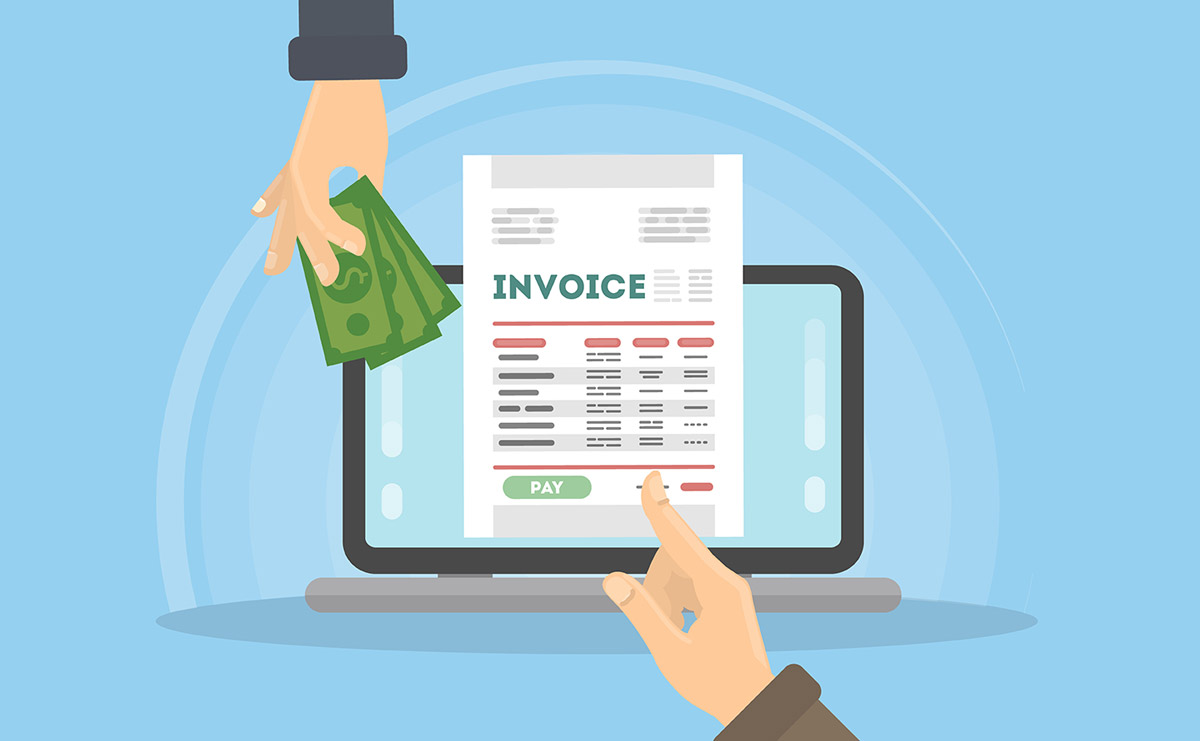
Nepal is rapidly moving toward a digital economy, and one of the key reforms in this transformation is the transition from manual paper invoices to digital or electronic invoices (also known as e‑invoices). A digital invoice is an invoice generated, issued, stored, and managed in an electronic format replacing traditional printed bills. This shift is part of Nepal’s broader Digital Nepal Framework aimed at improving tax compliance, enhancing transparency, and modernizing the financial ecosystem.
The concept of e‑invoicing is not new; electronic billing procedures and directives have existed in Nepal (e.g., the Electronic Billing Related Regulation, 2074) but adoption has been limited historically due to technology adaptation challenges.
Why Nepal Is Implementing Digital Invoice
1. Improve Tax Compliance and Reduce Evasion
Under the current system, manual invoices create room for under‑reporting, fake bills, duplications, and tax leakages. A digital invoice system helps authorities cross‑verify transactions automatically and improves VAT accuracy and tax collection.
2. Real‑Time Data and Transparency
With digital invoices, sales data can be reported in real time or near real time to tax authorities. This allows the Inland Revenue Department (IRD) to monitor transaction flows and compliance patterns without relying on periodic manual filings.
3. Digital Nepal Framework and Financial Modernization
The push toward digital invoicing aligns with the broader Digital Nepal Framework, which promotes digital payments, e‑governance, and financial transparency across public and private sectors.
How Digital Invoice Works
At its core, digital invoicing involves:
- Generating invoice data in a structured digital format (JSON/XML or a standardized tax template).
- Sending invoice details through a connected accounting or billing system to the government’s tax server.
- Verification and recording by the IRD or its national billing platform.
- Storing this record securely in both business and tax administration databases.
This process replaces manual paperwork and ensures that every issued invoice carries a digital record traceable by both the business and the tax authority.
Current Status and Requirements in Nepal
As of recent years, the IRD has defined digital/e‑billing rules within its electronic billing framework and related notices. The e‑billing system requires businesses to use approved software or systems to issue digital invoices.
In past years, the IRD already made e‑billing mandatory for businesses above a certain turnover threshold (e.g., firms with > NPR 250 million annual turnover).
Budget proposals and administrative planning indicate expansion toward broader mandatory e‑invoicing implementation for more businesses as part of tax modernization programs.
However, Nepal’s digital invoice mandate is still being scaled up gradually. This means the government may phase in requirements by business size, sector, or annual revenue — similar to international approaches.
Benefits of Digital Invoice for Businesses
1. Enhanced Efficiency
Digital invoice systems automate billing and financial workflows, reducing manual entry errors, printing costs, and administrative delays.
2. Faster Payments
Since invoices can be shared electronically, customers can receive and pay faster, improving cash flow and reducing days‑sales‑outstanding (DSO).
3. Reduced Compliance Burden
With automated data sharing to the IRD, businesses can eliminate manual tax reporting mistakes and reduce audit risks.
4. Increased Transparency
Digital invoices are harder to manipulate or duplicate — minimizing fraudulent activities and ensuring clearer records for audits and decision‑making.
Role of SM Tech Technology in the Digital Invoice Era
As Nepal transitions toward digital invoicing, companies like SM Tech Technology are uniquely positioned to support the market with:
1. IRD‑Compliant Software Solutions
Your accounting and invoicing platform can integrate direct digital invoice generation, formatting invoices in compliance with government requirements, and ensuring they can be submitted securely to tax authorities.
2. Seamless Integration
Integrations with bank payment systems, ERP tools, and tax reporting platforms will help customers manage invoicing, reconciliation, and tax compliance from a single dashboard.
3. Advisory and Support
Many small and medium enterprises (SMEs) will need support understanding digital invoice compliance requirements, onboarding processes, and best practices — an area where SM Tech can provide valuable consulting or onboarding support.
Getting Ready: What Businesses Should Do
Here’s a practical checklist for Nepali businesses preparing for digital invoice compliance:
1. Understand Requirements
Stay updated on IRD notifications (e.g., e‑billing procedures, approval notices) and ensure clarity on who must comply and when.
2. Choose the Right Software
Select an approved accounting or e‑billing system capable of generating digital invoices following IRD templates and security standards.
3. Register With the Relevant Portal
Businesses may need to register with the national billing monitoring platform or IRD portal depending on implementation rules.
4. Train Staff
Ensure that finance and accounting teams understand the workflow from invoice creation to reporting and can handle exceptions or errors.
The Future of Invoicing in Nepal
As Nepal’s digital infrastructure and tax administration evolve, e‑invoicing will likely become a standard requirement for most businesses — similar to trends globally where tax authorities mandate digital invoice reporting to reduce evasion and increase efficiency.
This shift signals a future where:
- Real‑time tax compliance becomes the norm.
- Advanced analytics help both businesses and government understand economic patterns.
- Smaller enterprises gain access to digital financial tools previously accessible only to larger firms.
Conclusion
Nepal’s adoption of digital invoice systems marks a key milestone in its move toward a digitally empowered economy. For businesses, the transition brings both obligations and opportunities — from compliance efficiency to strategic financial automation.
For software providers like SM Tech Technology, this change presents a chance to become a trusted partner in helping Nepali businesses navigate the digital invoicing landscape — through compliant software, expert integration, and ongoing support.